Hair Pulling Disorder: Why Am I Pulling Hair Out, And What Are The Treatment Options?
Table Of Content
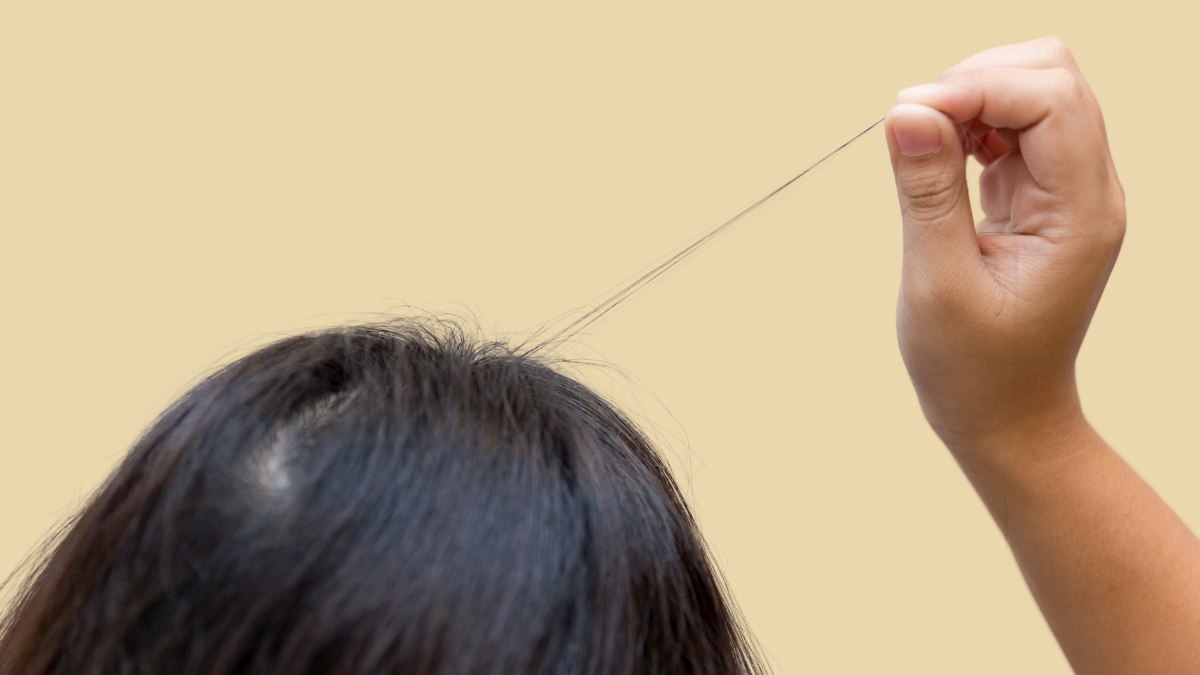
Researchers have found that individuals who are reluctant to seek conventional treatment may benefit from Internet-based interventions or support groups. While no medications are approved as a first-line treatment for TTM, some antidepressants, antipsychotic medications, and cannabinoid agonists have shown promise in limited studies. They may pull hair from other areas like the eyebrows, eyelashes, or any other area on their body that has hair. Some people with trichotillomania may feel specific triggers immediately before individual incidents of hair pulling. These can include sensations, such as hairs feeling irritating or out of place. Negative emotions, including frustration, boredom, anxiety, or anger, can also be triggers.
Health Education Library
It’s also not clear how a lack of this nutrient might cause or worsen hair pulling, though some researchers suggest it may play a role in defending against neurological damage. Some other disorders, such as Parkinson’s disease and depression, appear to show links with vitamin D deficiency. One theory is that people with trichotillomania may pull out their own hair as a way to counteract mental and emotional stress. This may be an attempt to use physical irritation to “distract” the mind from other persistent sources of distress.
Links with other mental health conditions

Diagnosing TTM involves a combination of a physical exam, where your healthcare provider looks for visible signs of the condition. They'll also ask questions about your health history, current circumstances and anything else that might have a connection to a medical problem. If these at-home remedies aren’t working, step away from the tweezers and call your doctor. A medical professional can treat ingrown hairs and help you prevent them in the future.
What’s the outlook for people with trichotillomania?
Further, trichotillomania could be a symptom caused by different factors in different individuals just as a cough can be produced by a multitude of different medical problems. Trichotillomania treatments aren’t one-size-fits-all and research is still limited on their effectiveness. Depending on your specific symptoms and their severity, it can take time and patience to find what works for you. For some, the symptoms of trichotillomania are mild and rather manageable. For others, they may feel as though the symptoms are overwhelming and impossible to overcome.
If you wear your hair tightly pulled back often, the constant pulling may eventually lead to hair loss. By making a few changes, you can keep your sense of style without losing your hair. Unaddressed social anxieties, especially with children, can result in more serious issues down the line. For example, a child with social anxiety might struggle with self-consciousness, which can manifest in different self-destructive or self-sabotaging behaviors. With professional assistance and personal determination, it’s possible to work toward addressing anxiety and its sources. A person may sometimes pull their hair out in response to a stressful situation, or it may be done without really thinking about it.
Symptoms of trichotillomania
Other studies suggest that experiencing trauma may increase the severity of hair-pulling, even if the former doesn’t necessarily cause the latter. Trichotillomania is one of several body-focused repetitive behaviors (BFRBs) currently classified in the DSM-5 as Obsessive Compulsive and Related Disorders. The disorder is also thought to share characteristics with impulse-control disorders. Trichotillomania affects up to 2 percent of the population, though only about half of those are thought to receive some form of treatment.
Food and Drug Administration specifically for the treatment of trichotillomania, some medicines may help control certain symptoms, such as anxiety and depression. If you or someone you know is experiencing these urges, reach out to your family doctor, mental health professional, or a trichotillomania support group. According to a 2016 study, the typical age for the symptoms to appear is between 10 and 13 years old. Symptoms usually start with pulling out the hairs on the scalp, which makes the person feel less anxious or stressed. Trichotillomania (TTM) is a mental disorder in which people feel an overwhelming need to pull out their own hair. TTM is a relatively straightforward condition to diagnose, but people with this condition often hide it out of shame or embarrassment.
Effective Training To Increase Testosterone Levels – We Have All The Answers 2024
Man, 36, left ‘brain dead’ with 4% chance of survival after trying to pull out an ingrown hair in his gro... - The US Sun
Man, 36, left ‘brain dead’ with 4% chance of survival after trying to pull out an ingrown hair in his gro....
Posted: Thu, 21 Mar 2024 07:00:00 GMT [source]
Another option that research suggests may have benefit is olanzapine (Zyprexa). This drug is used to treat certain serious mental health conditions that affect the mind. Because people with TTM often feel ashamed or embarrassed of this condition, most avoid treatment.
How Trichotillomania Hair-Pulling Is Treated

Damage to skin caused by hair pulling can also cause permanent hair loss in affected areas. People with TTM compulsively pull out their hair, usually one strand at a time. The most common places people pull hair from are their scalp, eyelashes and eyebrows, and pubic hair.
If you think you or your child may have trichotillomania, it’s a good idea to discuss this with your doctor. You can then get treatment to help you overcome the impact of the condition. There can be many reasons someone would begin pulling their hair.
If your GP thinks you have trich, you may be referred for a type of treatment called cognitive behavioural therapy (CBT). Excoriation disorder (also referred to as chronic skin-picking or dermatillomania) is a mental illness related to obsessive-compulsive disorder. They may suggest other options, dietary changes, or prescribe medication to help you achieve the regrowth results of your dreams. While the exact cause of trichotillomania is unknown, both genetic and environmental factors are likely at play in its development. Trichotillomania is a rare medical disorder that can greatly affect a person’s quality of life.
Clenching one’s fist and pressing their arm to their side is a common competing response for hair-pulling. But for millions of people, playing with their hair goes beyond twirling it between their fingers. Most people with trichotillomania pull enough hair to have noticeable thin or bald patches on the head or other parts of the body. Some are missing eyelashes or eyebrows and some chew or eat the hair they pull out. Participating in online therapy can be beneficial for those struggling with trichotillomania and other kinds of mental health disorders. BetterHelp is an online counseling platform for adults, while TeenCounseling provides similar services, but for teenagers (and parents of teens).


Comments
Post a Comment