How to Set Up a VPN Server at Home for Free
Table of Content
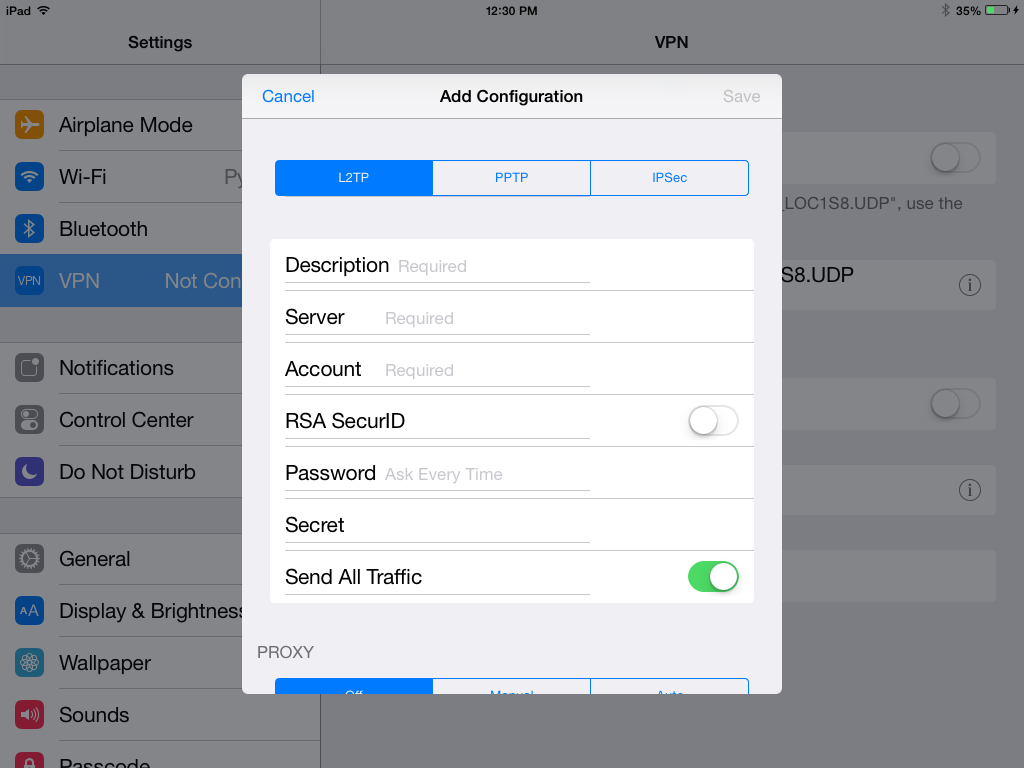
You can do this by either installing a VPN app on your device or by manually configuring your network settings. Each platform has its own set-up instructions for VPNs, so it’s best to check them if unsure. IPsec also has a long history and reasonable security. It’s one of the other VPN technologies a lower-cost router is likely to support. For our purposes, we’ll only consider VPNs that facilitate working from home. A virtual private network helps keep your business more secure and protects critical data from prying eyes.
After dismissing the alert, the WireGuard app opened and the only available button was to import configuration files. Next you need to decide the VPN servers you want to connect to. Choosing servers that are close to you is more likely to yield better speeds, since your data won't have to travel as far. If you want to tunnel past local restrictions or want your traffic to appear as if you're in another country, you'll want to select a more far-flung server.
Are there downsides to using VPNs?
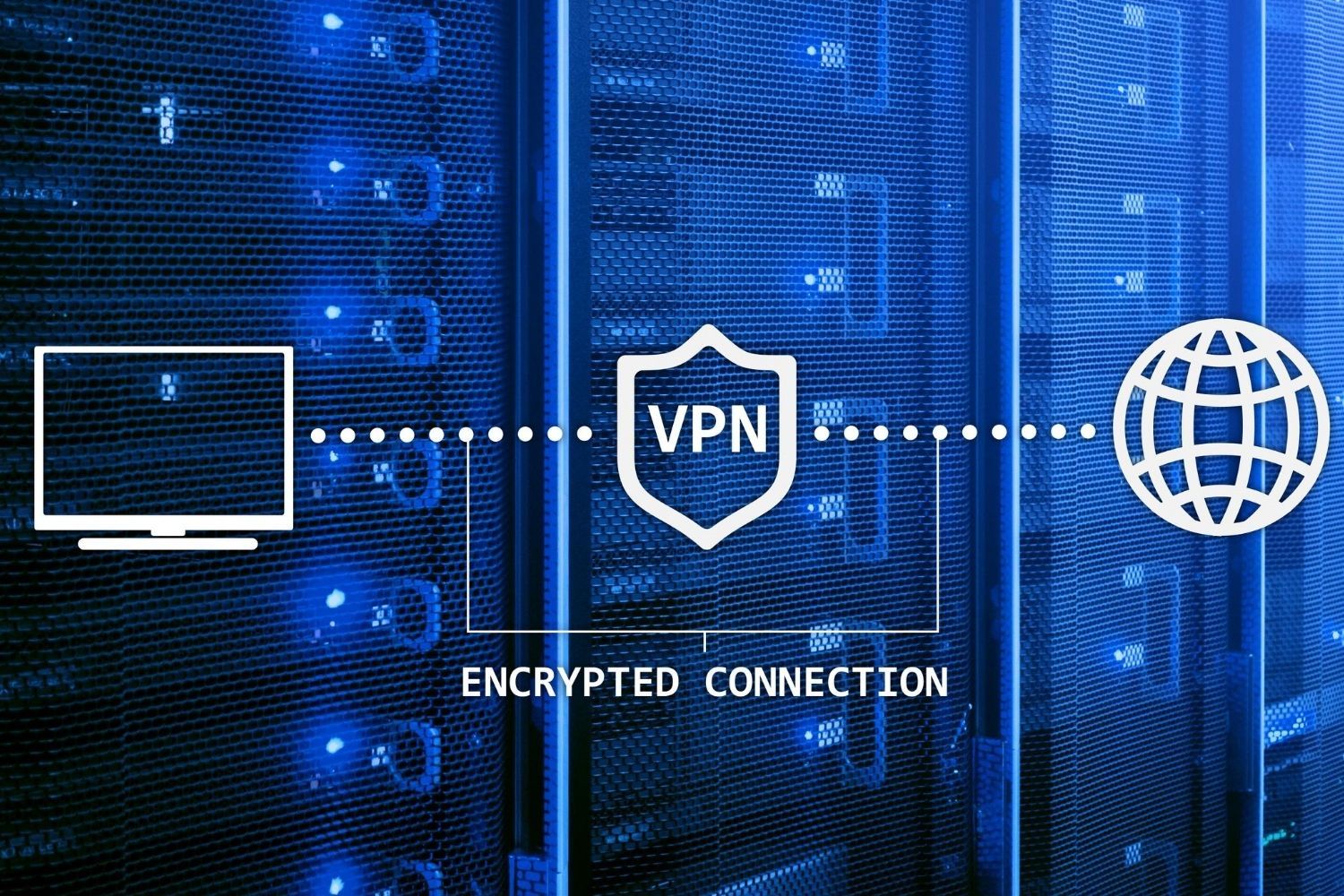
When you use the internet, it’s as if you’re using that computer rather than your own. On the way to and from the server, your data is transferred via an encrypted tunnel. The “encrypted” part means that your data is sent in an uninterpretable form. The “tunnel” is the secure connection between your computer and the server. Only your computer and the server have the key to translate the encryption — to anyone else who intercepts the data, it’ll look like nonsense. These methods will let you set up your own VPN at home.
Make sure that you allow clients using the VPN connection to access all sites on the internet and home network. DDNS is helpful when you set up your own VPN server at home because it will save you from having to re-configure the VPN each time your public IP address changes. If you’re new to VPNs, we recommend using a trusted third-party VPN service with native apps for most devices. You can create your own VPN server at home, allowing you to securely access your home network while you’re away. It does require some technical knowledge to set up, though. WireGuard — A new protocol that’s designed to increase speeds.
Step one: create the encryption keys
The downside to this method is that the device will need to be on all the time for your VPN to function. The upside is that you don't have to pay a subscription to a VPN provider and you know that you are in complete control of your data. You'll need to know your VPN provider's settings to use the VPN on your upgraded firmware. You can usually find these settings on your VPN provider's website. For example, here is ExpressVPN's instructions for setting up Linksys routers. DDNS or Dynamic Domain Name Systems is required if you have a dynamic IP address.
ExpressVPN is backed by a 30-day money-back guarantee, so you can buy in confidence. Usually, VPNs are installed on individual devices but if we are connected to our home router and want to use VPN service on all our devices connected to the same router. Instead of installing a VPN on each device, we can set a VPN on our Router, and it will cover all our devices connected to our home network. As far as I know it can't be run on pfsense or in a docker (yet?), but if you have a low power device like a Raspberry Pi then that might be an option.
Method 3: Use Other Devices as VPN Servers
Far from being arcane networking tools, modern VPNs are exceptionally easy to use. Most are now set-and-forget tools, as they should be. The bigger problem these days is consumer misunderstanding what a VPN can and can't do.
During 1 hour of streaming, my connection never disconnected or slowed down. You won’t need to manually configure this VPN to get a fast and reliable connection. After testing over 20+ VPNs, I’ve shortlisted the ones that are the easiest to set up on any device or platform. Along with native apps, these VPNs are simple to activate manually. The one I’d recommend is ExpressVPN because of its fast speeds, geoblocking abilities, and high-level security features.
Test your VPN
This can come in handy if you want to spoof your location. By connecting to a VPN server in London, you can make it appear as if you were accessing the internet from the UK. You can also install a third-party VPN server—like OpenVPN. VPN servers are available for every operating system, from Windows to Mac to Linux.
Normally, the server that a VPN connects you to may be shared by others using the VPN. With a dedicated IP, the server is private, which can improve the connection speed between your computer and the server. You can also go here to try a seven-day free trial of PureVPN, premium features and all, for just $0.99. Once the firmware upgrade is complete, you'll need to restart your router. To be certain the old settings are cleared, turn off your router and wait for 30 seconds before turning it on again.
But it is becoming less widely used since there are faster and more secure protocols available. You can opt for browser-based VPNs when you only use the internet for light browsing, such as posting on social media and reading blogs. Most independent reviews claim that NordVPN offers the best protection, especially when your online transactions include confidential information. Your VPN provider must have reliable customer service, so you can contact them should you experience technical issues.
It's useful for preventing little bits of data sneaking through unencrypted. If you suddenly find that the internet has cut out, check to see if your VPN's Kill Switch has been tripped. Some VPN companies have specialized servers for streaming video. These specialized servers are useful because streaming services such as Netflix block VPNs. At issue are the licensing deals Netflix secures with studios, which provide different content for different regions. Sometimes you might not want to be connected to the server the VPN app recommends.


Comments
Post a Comment